
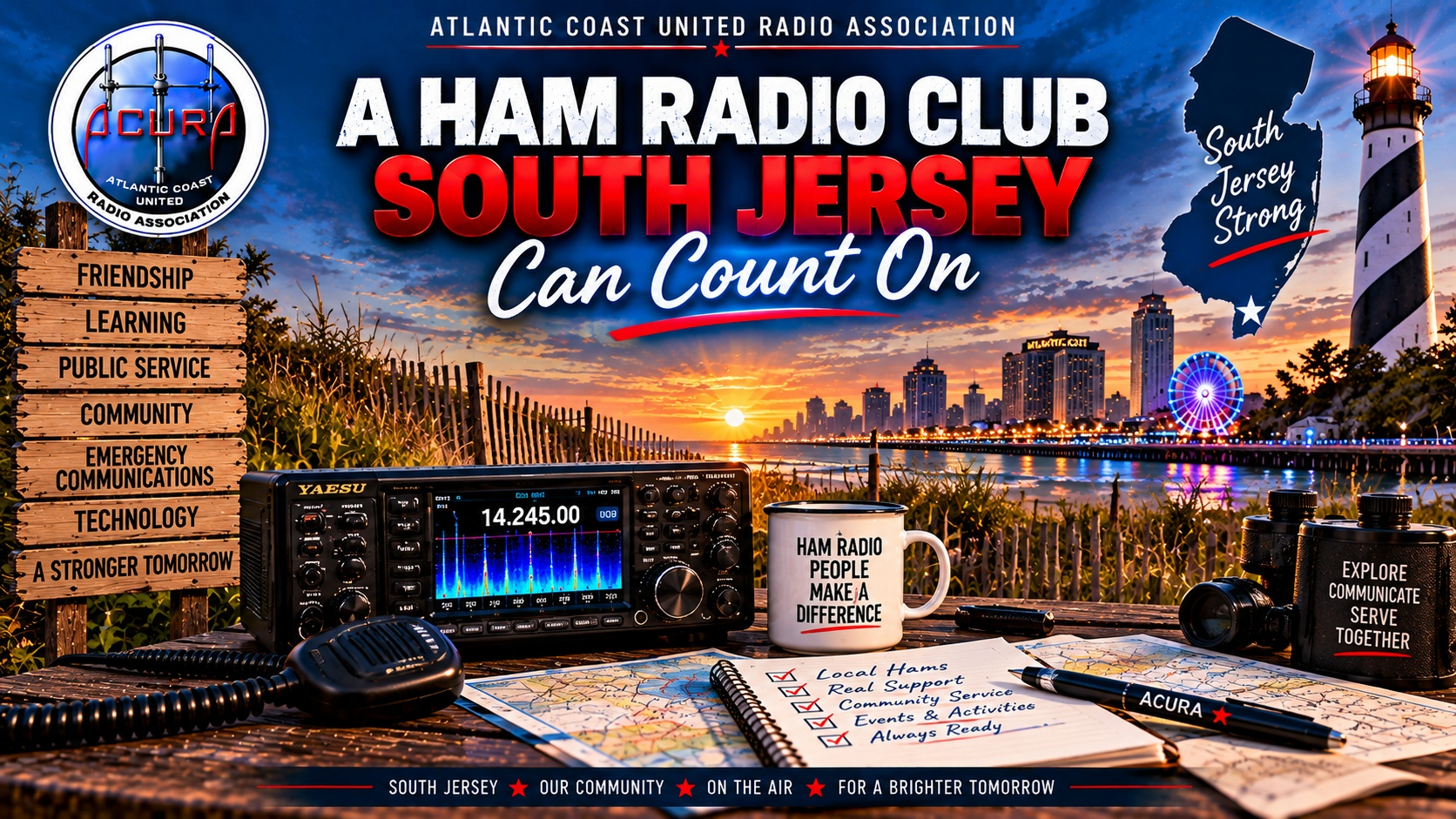
Sometimes the cell network is overloaded. Sometimes a storm has knocked out power, or a neighbor simply needs a clear answer over the air. At those moments, a ham radio club South Jersey operators trust becomes more than a hobby group. It is a place to practice, ask questions, make friends, and build the communication skills that matter when ordinary options are not available.
People often describe amateur radio as a technical pastime, and it certainly can be that. There are antennas to build, repeaters to understand, digital modes to try, and propagation to chase. But locally, the best part is usually much simpler. You hear a familiar call sign on a net. You get help with a first radio. Above all, you know a capable group is nearby when conditions get difficult.
What a Ham Radio Club in South Jersey Should Offer
A good club gives people a way into the hobby without expecting them to arrive as experts. That matters whether you are studying for your first FCC license, returning after years away from radio, or looking for a more active operating community.
Regular meetings create the social side of amateur radio. They are where members compare equipment, share what worked in the field, discuss local operating conditions, and welcome visitors who may still be deciding whether to get licensed. The best meetings leave room for both serious technical conversations and the kind of easy conversation that turns a collection of call signs into a community.
Weekly nets are equally valuable. A net is simply a scheduled on-air gathering, run by one station who calls for check-ins and keeps the conversation orderly. It gives new operators a low-pressure place to key up, identify properly, pass traffic, and become comfortable on the air. For experienced hams, it keeps local stations acquainted with one another and reinforces good operating habits. That familiarity is useful during public-service events, severe-weather activations, or any situation that demands organized communication quickly.
Local license testing is another practical advantage. Volunteer Examiners are licensed hams certified to administer FCC exams. They help prospective operators move from study materials to a real license test. Often the encouragement comes from people who remember exactly what their own first exam felt like. Passing an exam is only the beginning, though. The right club helps a new licensee get on the air afterward, which is where confidence grows.
Shared Repeaters Make Local Radio More Useful
A handheld radio is a great starting point, but terrain, buildings, antenna height, and power all limit its range. Picture a receiver and transmitter sitting somewhere high, listening on one frequency and retransmitting on another. Two low-powered radios that cannot hear each other directly can still talk. A properly maintained local repeater can connect stations across a much wider part of Atlantic County and South Jersey than direct radio-to-radio operation alone.
That infrastructure takes time, technical knowledge, funding, and volunteer effort. It also reflects a club’s commitment to keeping communications available for regular activity and for times when reliable local coverage matters most. Linked VHF, UHF, 220 MHz, and 6-meter repeaters give operators choices based on their equipment and operating needs.
Internet-connected tools such as AllStar and EchoLink add another layer of flexibility. Both link repeaters together over the internet. So a member who is traveling, working outside the area, or unable to reach a repeater can still take part. They are not a replacement for local over-the-air communications, especially during an infrastructure disruption, but they can strengthen day-to-day participation and broaden the reach of a local net.
There is a trade-off worth understanding. More connected systems can be more useful, but they also require good operating practices. Nets need clear control, stations need to pause before transmitting, and everyone benefits when users understand which repeater or linked system they are using. A club setting is one of the best places to learn those habits without embarrassment.
A Practical Path From Curious to Licensed
Many people first become interested in amateur radio because they want dependable communications. Others arrive through electronics, weather spotting, off-roading, public safety, or a family member who was a ham. More and more arrive through GMRS radios, scanning, or mesh networking projects, and every one of those is a legitimate way in. Whatever brings you here, the path is manageable when you take it one step at a time.
Start by Listening
You do not need a license, a radio, or any equipment at all to begin. ACURA runs a web-based SDR receiver you can listen on right from a browser. Tune around, find the local activity, and notice the rhythm of a well-run exchange. You will hear check-ins, announcements, signal reports, and sometimes real-time discussion of weather or local events. An hour of listening teaches more about on-air etiquette than any book.
Study for the FCC Technician License
The entry-level Technician license opens meaningful opportunities on VHF and UHF, the bands most local repeaters use. You do not need an engineering degree to pass. The question pool is public, the exam is multiple choice, and a steady study routine with practice exams is enough for most people. Students in middle school pass it every year.
Buy Less Than You Think You Need
After passing, resist the urge to buy every accessory at once. A basic handheld with a suitable antenna is enough to learn local repeater use, net etiquette, and the limits of portable operation. Later you may decide that a mobile radio, a base station, a better antenna, or an HF setup for long-distance work fits your interests. The right choice depends on where you operate, what you want to do, and what local systems are available.
Find Someone to Ask
Mentorship saves both money and frustration. Experienced operators can help with programming, offsets, tones, antenna placement, and grounding, and can explain why a radio that sounded perfect in the store performs differently at home. They can also help you tell the difference between equipment you truly need and gear that can wait — which is worth more than any accessory.
Radio Skills That Serve the Community
Amateur radio is enjoyable because it is hands-on and social. It also carries a public-service tradition that is especially meaningful in a coastal region where severe weather, flooding, power outages, and transportation disruptions can change conditions quickly.
Emergency readiness is not about assuming the worst every day. It is about practicing enough that communication remains organized when conditions are less than ideal. Checking into nets, knowing how to relay a message, keeping batteries charged, and understanding the local repeater footprint are small actions that add up.
Operators may support efforts connected to Auxiliary Communications, Skywarn weather spotting, local event communications, or emergency-management partners. Each role has different expectations, and training, authorization, and the needs of the agencies involved should guide participation. A capable club helps members understand where amateur radio fits and where professional public-safety systems take the lead.
This service-minded approach also makes amateur radio a strong STEM activity. Young people and families can see radio as more than a black box. They can learn how antennas affect a signal and how geography influences coverage. Batteries and solar power support field stations, and a carefully spoken message moves from one station to another. A mobile emergency communications and radio-education trailer makes those lessons tangible at community events and school outreach.
Finding Your Place in the Local Radio Community
The right club should feel approachable on your first visit. You should be able to say, “I am studying for my license,” “I just bought my first handheld,” or “I have been licensed for 30 years and want to get active again,” and receive a useful, respectful response.
For newer operators, look for clear entry points: license testing, study support, regular nets, and members willing to help with first contacts. For experienced operators, look for active repeater infrastructure, technical collaboration, opportunities to mentor, and a culture that values dependable operating over club politics.
Atlantic Coast United Radio Association brings those pieces together for Galloway Township, Atlantic County, and the wider South Jersey radio community. Its mix of fellowship, training, linked repeater capability, and civic-minded activity gives members a practical way to enjoy radio while becoming more useful operators. You can find the current meeting schedule, net information, and details on joining on our membership page.
You do not need the perfect station, a tower in the backyard, or years of experience to take part. Start by listening, introduce yourself, and learn one useful skill at a time. Before long, the voice you hear checking into a local net may be the one that helps someone else find their signal.
Frequently Asked Questions About Getting Started in Ham Radio
Do I need a license to visit a ham radio club?
No. Visitors are welcome at meetings whether or not they are licensed, and you can listen to amateur radio all you like without one. You need a license only to transmit.
How hard is the FCC Technician exam?
Less difficult than most people expect. The NCVEC publishes the entire question pool in advance, the exam is multiple choice, and free practice tests are widely available. Consistent study over a few weeks is usually enough, and middle school students pass it every year.
What radio should I buy first?
An inexpensive handheld with a better antenna than the one in the box will cover local repeater operation and teach you what you actually want next. Spending heavily before you know how and where you like to operate is the most common beginner mistake.
Can I listen to ham radio without any equipment?
Yes. ACURA’s online SDR receiver lets you listen from any web browser, with no radio and no license. It is the easiest possible way to find out whether the hobby appeals to you.
What is a repeater, and why does the club run them?
A repeater sits somewhere high, receives a signal on one frequency, and retransmits it on another. That lets low-powered handheld radios reach across a whole county instead of a few blocks. Clubs maintain them because the equipment, sites, and upkeep are more than any one operator can manage alone.
Is amateur radio still useful now that everyone has a cell phone?
Cell networks depend on towers, power, and backhaul, all of which can fail at once in a coastal storm. Amateur radio needs none of them. That independence is why emergency-management agencies still work with amateur operators.
Leave a Reply